
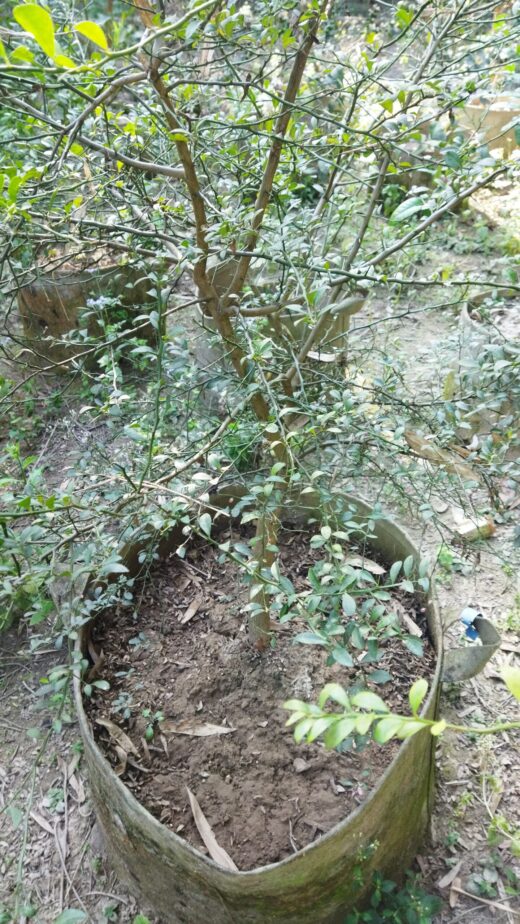
After nearly three years of patient waiting, my grafted finger lime plant has finally started flowering for the first time. Seeing these small, delicate blossoms appear is an incredibly rewarding moment, especially for anyone who has grown citrus from a young plant. This milestone signals that the tree has reached a mature and productive stage and is now preparing for fruiting.
Finger lime (Citrus australasica), often called “citrus caviar,” is native to Australia and is highly valued for its unique, pearl-like juice vesicles and fresh, tangy flavour. Compared to seed-grown plants, grafted finger lime trees flower and fruit much earlier, which is why grafting is strongly recommended for home growers. Under good growing conditions, grafted plants typically begin flowering within two to three years, and this first bloom confirms that the graft has established successfully.
Flowering is a critical phase in the life of a finger lime tree. At this stage, the plant requires balanced care to ensure the flowers remain healthy and can develop into fruit. Consistent watering is essential, as both drought stress and waterlogging can cause flower drop. The soil should be well-drained but kept evenly moist, especially during warm weather.
Nutrition also plays a key role. During flowering, it is best to avoid excessive nitrogen, as too much nitrogen encourages leaf growth at the expense of flowers. Instead, a fertiliser with adequate potassium and trace elements such as magnesium, zinc, and iron supports flower retention and improves fruit set. Many growers also find that adding organic matter, such as compost or well-rotted manure, helps maintain soil health and steady nutrient availability.
Sunlight is another important factor. Finger lime trees perform best when they receive six to eight hours of direct sunlight per day. Good light exposure strengthens the plant, improves pollination, and increases the chances of successful fruit development. While finger limes are generally self-fertile, the presence of bees and other pollinators can further enhance fruit set.
The first flowering does not always result in a heavy crop, and this is completely normal. Young trees may drop some flowers or set only a few fruits as they adjust to reproductive growth. With continued care and patience, yields typically improve in the following seasons.
For me, this first bloom is more than just flowers on a plant—it represents time, consistency, and trust in the growing process. Watching a grafted finger lime reach this stage is a reminder that horticulture rewards patience and proper care. With the right conditions and ongoing attention, I am hopeful that these flowers will soon turn into healthy finger limes and mark the beginning of many productive harvests in the years ahead.

